Pyramid Box with Matching Sleeve: A Smart Guide to Avoiding Common Pitfalls
What Makes the Pyramid Box with Matching Sleeve Stand Out?
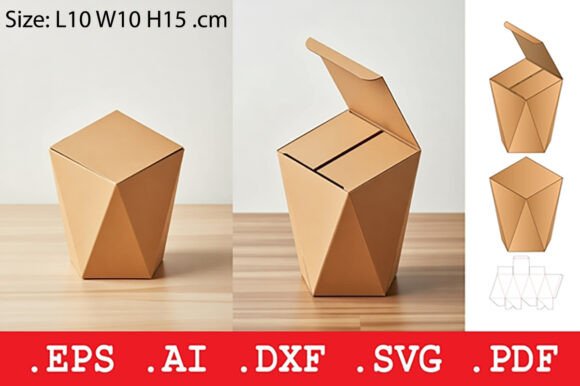
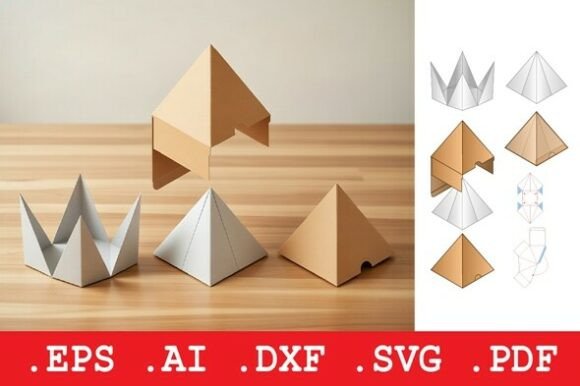
The Pyramid Box with Matching Sleeve is a modern packaging solution that blends structural innovation with visual appeal. Its four-sided pyramid base, combined with a snug-fitting outer sleeve, offers a distinctive presentation ideal for luxury items like chocolates, jewelry, and premium gifts. Designed for 200–350 gsm paper, this non-rigid design maintains durability while delivering a memorable unboxing experience. It’s no wonder creators, marketers, and small business owners are turning to this template to elevate their product presentation.
Common Missteps When Choosing and Using the Pyramid Box with Matching Sleeve
While the Pyramid Box with Matching Sleeve is a powerful design asset, it’s easy to make misjudgments that affect the final result. Here are some of the most common issues and how to avoid them.
Mistake #1: Choosing the Wrong File Format
Many users download the wrong file type without realizing how each format serves a different purpose. For example, SVG files are great for digital design and craft cutters, while EPS is better suited for industrial printing. Using an incompatible file with your cutting or printing equipment can lead to inaccurate cuts, wasted materials, and delays.
Better approach: Always verify what equipment you're using before downloading. If you're laser cutting, go with DXF. For print production, use EPS or PDF. Keeping a backup AI file is also wise for future customization.
Mistake #2: Overlooking Paper Weight Specifications
The Pyramid Box with Matching Sleeve is optimized for 200–350 gsm paper. Using lighter stock may result in a flimsy structure, while heavier materials can make assembly difficult or damage cutting tools.
Better approach: Test with a mid-range weight like 300 gsm if you're unsure. This offers a good balance between durability and ease of handling. Always check your printer or cutter’s specifications to ensure compatibility.
Mistake #3: Ignoring Assembly Precision
The sleeve is designed to slide precisely over the pyramid peaks to hold the box together. If the cut is even slightly off, the sleeve may not fit snugly or may be too tight to apply without tearing the paper.
Better approach: Run a test cut on scrap material first. Pay close attention to the alignment of the sleeve and pyramid peaks. Make micro-adjustments in your cutting software if necessary before committing to your final material.
Mistake #4: Underestimating Design Customization Needs
Some users assume the provided templates are ready to go without considering branding elements like logos, colors, or instructional inserts. This can lead to last-minute design changes that disrupt the structural integrity of the box.
Better approach: Use the included AI file to make customizations before production. Plan your design layout in advance, including space for branding and any internal compartments or inserts. This prevents costly redesigns after printing.
What to Check Before Finalizing Your Pyramid Box with Matching Sleeve Project
Before committing to a full print or production run, there are several key points to verify to ensure a successful outcome:
- Compatibility: Confirm that your cutting and printing equipment supports the file format you’re using.
- Material Suitability: Ensure your paper stock falls within the recommended 200–350 gsm range.
- Test Assembly: Create a sample box from scrap material to evaluate fit and finish.
- Design Integrity: Double-check that all branding and design elements align correctly and don’t interfere with the box’s structural performance.
How Poor Choices Impact Your Packaging Outcome
Choosing the wrong file, material, or skipping a test run can have real consequences. Misaligned sleeves may lead to a weak seal, making the box unstable during shipping. Poorly cut or overly thick materials can jam cutting machines or tear during assembly. These issues not only increase costs but also harm brand perception when customers receive poorly constructed packaging.
Real-World Example: A Jewelry Brand’s Packaging Misstep
A small jewelry brand excited about the Pyramid Box with Matching Sleeve skipped the test phase and went straight into production using 400 gsm paper. The result? The sleeve wouldn’t slide over the pyramid peaks without tearing, and the CNC machine struggled with the thickness, leading to inconsistent cuts.
Better outcome: After switching to 300 gsm cardstock and running a test cut, the brand successfully launched a beautifully finished box that impressed customers and reinforced their premium brand image.
Maximizing the Value of Your Pyramid Box with Matching Sleeve
This packaging style is more than just eye-catching—it’s a functional and customizable solution for a wide range of products. To get the most out of it:
- Start with the correct file format for your equipment.
- Use appropriate paper weight and quality.
- Test before producing in bulk.
- Customize thoughtfully using the AI file.
Conclusion: A Packaging Choice Worth Getting Right
The Pyramid Box with Matching Sleeve is a standout option for anyone looking to create a memorable and professional packaging experience. By avoiding common pitfalls and planning ahead, you can ensure your packaging not only looks great but functions flawlessly. Whether you're a small business owner, a designer, or a marketer, taking the time to understand and apply these best practices will help your product stand out where it matters most—on the shelf and in the hands of your customers.